Understanding Sun Damage
How Photodynamic Therapy (PDT) and CO₂ Laser Treatments Can Help Restore Skin Health The Hidden Effects of Sun Damage on Your Skin
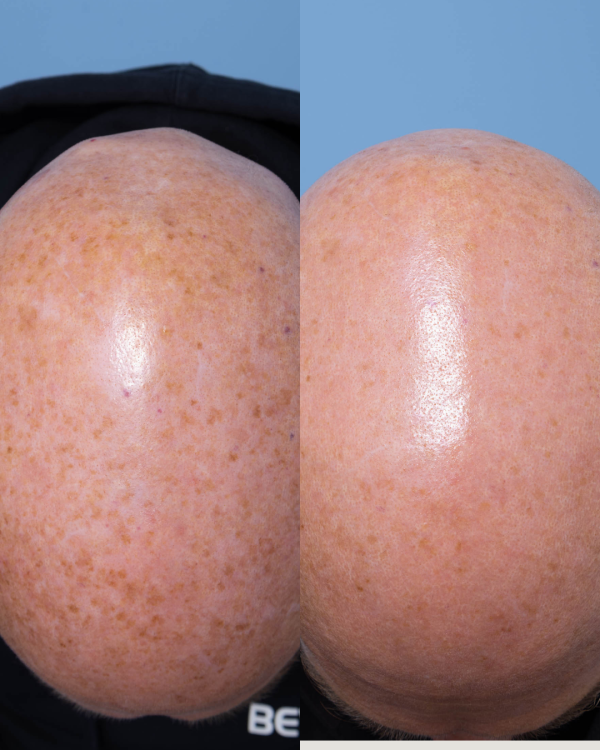
Australia has one of the highest rates of skin cancer in the world, and many of us accumulate years of sun exposure before we begin to notice its effects.
Sun damage occurs when ultraviolet (UV) radiation penetrates the skin and causes changes to skin cells, collagen, blood vessels, and DNA. While some effects are visible, others develop silently beneath the surface for years before becoming apparent.
Common signs of sun-damaged skin include:
- Rough, scaly patches
- Persistent redness
- Uneven pigmentation and sunspots
- Fine lines and wrinkles
- Loss of skin elasticity
- Enlarged pores
- Precancerous lesions known as actinic keratoses
Many people view sun damage as purely cosmetic, but it is also a marker of cumulative cellular injury and can increase the likelihood of developing skin cancer over time.
What Are Actinic Keratoses?
Actinic keratoses (AKs) are rough, scaly patches that develop on chronically sun-exposed areas such as the face, scalp, ears, chest, and hands.
These lesions are considered precancerous because they have the potential to progress into squamous cell carcinoma, a common form of skin cancer.
While some AKs are visible, many more may exist beneath the skin surface in what dermatologists call “field cancerisation”—areas of skin that have sustained widespread sun-induced DNA damage.
This is where Photodynamic Therapy (PDT) can be particularly effective.
What Is Photodynamic Therapy (PDT)?
Photodynamic Therapy (PDT) is a non-surgical treatment used to target sun-damaged skin and precancerous cells while minimising damage to healthy tissue.
The treatment involves three key steps:
Step 1: Application of a Photosensitising Cream
A specialised cream is applied to the treatment area. This medication is preferentially absorbed by abnormal sun-damaged and precancerous cells.
Step 2: Incubation Period
The cream is left on the skin for a period of time, with an occlusive dressing that blocks any light from penetrating the cream. Allowing it to accumulate within damaged cells.
Step 3: Light Activation
The area is then exposed to a specific wavelength of light.
When activated, the medication produces reactive oxygen molecules that selectively destroy abnormal cells while sparing much of the surrounding healthy tissue.
Benefits of Photodynamic Therapy
PDT offers several advantages:
- Treats both visible and pre-clinical (not yet visible) sun damage
- Targets multiple lesions simultaneously
- Helps reduce actinic keratoses
- Improves overall skin quality
- Can reduce rough texture and pigmentation irregularities
- May help decrease the future burden of precancerous lesions
- Minimal scarring compared with many surgical approaches
For many patients, PDT serves as both a therapeutic and preventative treatment for chronically sun-damaged skin.
What Results Can Patients Expect?
Following treatment, it is common to experience:
- Redness
- Peeling
- Crusting
- Temporary sensitivity
These effects are part of the treatment process as damaged cells are eliminated and the skin begins to regenerate.
Over time, patients often notice:
- Smoother skin texture
- Reduced roughness
- More even skin tone
- Improvement in signs of photoaging
- Reduction in precancerous lesions
Where Does CO₂ Laser Fit In?
While PDT is highly effective at targeting abnormal sun-damaged cells, combining treatments can sometimes provide enhanced outcomes.
Fractional CO₂ laser resurfacing is one modality that may be used alongside PDT in selected patients.
CO₂ laser creates thousands of microscopic treatment channels within the skin. This stimulates wound healing, collagen remodelling, and skin renewal.
Benefits of fractional CO₂ laser treatment may include:
- Improvement in fine lines and wrinkles
- Reduction in sun-damaged texture
- Enhanced collagen production
- Improved skin firmness
- Reduction in pigmentation irregularities
- Overall skin rejuvenation
Why Combine PDT and CO₂ Laser?
Research and clinical experience suggest that combining these treatments may provide complementary benefits.
The CO₂ laser can:
- Improve penetration of topical PDT medication
- Enhance treatment of field cancerisation
- Address both sun damage and photoaging simultaneously
- Promote skin rejuvenation while treating precancerous changes
By targeting both abnormal cells and the structural damage caused by years of UV exposure, combination therapy can offer a more comprehensive approach to skin restoration.
Not every patient requires combination treatment, and suitability depends on individual skin type, sun damage severity, medical history, and treatment goals.
Prevention Remains Essential
Even after successful treatment, ongoing sun protection is critical.
Key strategies include:
- Daily broad-spectrum SPF 50+ sunscreen
- Wearing hats and protective clothing
- Seeking shade during peak UV hours
- Regular skin checks with a dermatologist
- Monitoring for new or changing lesions
The Take-Home Message
Sun damage is more than a cosmetic concern—it reflects cumulative injury to the skin that can contribute to premature ageing and increase the risk of skin cancer.
Photodynamic Therapy is an effective treatment for widespread sun damage and precancerous lesions, helping to target both visible and hidden cellular changes. In selected patients, combining PDT with fractional CO₂ laser resurfacing may further enhance skin rejuvenation and improve overall treatment outcomes.
If you are noticing rough, sun-damaged skin, recurrent actinic keratoses, or signs of photoaging, a consultation with a dermatologist can help determine which treatment approach is most appropriate for your skin.